


Reading time: 3 min
Sometimes it seems like nothing is happening in a child's development. The child plays with the same building blocks, listens to the same songs, asks the same questions. And we parents wonder, "Is anything happening at all?"
The answer is: yes, right now. Because it is precisely during these unremarkable days that the most happens. Development doesn't only occur in leaps, but in very small movements – in repetitions, pauses, and routines.
Why big steps take time
Children learn in layers. Before a child can walk, they have turned, propped themselves up, and rolled countless times. Before they speak, they have listened, observed, and practiced for a long time.
We often only see the moment something succeeds. But the real work happens before that – in silence. The brain sorts, connects, repeats. It needs this time to solidify new things.
So, if a child seems to "stand still" for a while, it usually means they are working. Just differently than we expect.
Learning in everyday life
Children don't just learn in special situations, but in every moment: when closing a zipper, when tidying up, when watching, when repeating words.
When your child observes you cooking, they perceive processes. When they try brushing their teeth themselves, they practice fine motor skills and independence. And when they ask you a question, they practice language, thinking, and trust.
These are not "small things." These are building blocks that come together to form significant developments.
Why repetition is important
Children love repetition. They need it to find security.
Every repetition strengthens a connection in the brain – and the feeling: I know this, I can do this.
For us adults, it sometimes seems monotonous. But for children, it's the moment they experience themselves.
Routines are not boredom, but stability. They help process new things better because they make the environment reliable.
When seemingly nothing is happening
There are phases when children become quieter. They withdraw, seem thoughtful or "uninterested." This often causes uncertainty.
But development is not linear. Intensive learning phases are followed by recovery – just like for us. Sometimes children simply need time to internally sort out what they have experienced.
If you have the impression that nothing is happening, look closer. Perhaps your child is showing more perseverance, more patience, more self-confidence. These are quiet but important advancements.
Why parents don't always have to push
Parents like to "do something." It feels active, caring. But sometimes the best thing is simply to be present.
A child doesn't need constant stimulation to develop. They need people who see them without pushing. Who listen instead of commenting. Who accept that development sometimes seems slow.
When you observe instead of directing, space is created for your child to discover what is within them.
What can help
- Trust that development is always progressing – even if you don't see it.
- Look for small changes: gestures, glances, interest.
- Take time to simply be present. Children feel that.
- Remember: repetition is learning, not stagnation.
- And: you too are allowed to have quiet days.
In the mo:mo app, you'll find inspiration for quiet everyday moments that show how much lies in small situations.
Conclusion
Children grow in moments when we believe nothing is happening. They learn while playing, waiting, observing. Not every progress needs applause – sometimes a quiet "I see you" is enough.
The quiet days count. You just have to listen to perceive them.
Common questions from parents
How do I notice my child developing when they seem quiet?
Pay attention to details: more endurance, finer movements, growing curiosity. Often the change is in expression, not in new abilities.
Is it normal for my child to have phases where they can do "less"?
Yes. Often your child isn't capable of "less," but simply wants your help. Because that's also how bonding develops.
How can I stay calm when I become impatient?
Remember: stagnation is just a pause for growth. Development happens reliably, even without visible proof.
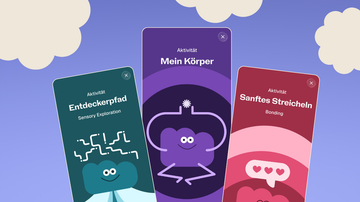
In der mo:mo App
Aktivitäten zur Selbstregulation für 12–18 Monate.
Wenn dein Kind häufig Wutanfälle bekommt, gibt es in der App 24 abgestimmte Aktivitäten, die helfen, Frustration körperlich zu kanalisieren — ohne dass es eine feste Methode braucht.
Aktivitäten ansehen